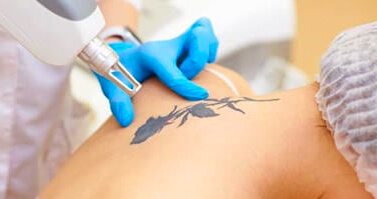

How Tattoo Removal Works?
Understanding how tattoo removal works over time is essential for anyone considering the process. Unlike quick cosmetic treatments, laser tattoo removal is a gradual journey that depends on how the body naturally processes ink particles after each session. Knowing what to expect helps set realistic goals and reduces uncertainty throughout the treatment plan.
At White Diamond Laser Tattoo Removal Gold Coast, clients receive tailored treatment strategies designed to achieve safe, controlled, and effective fading over multiple sessions. The timeline varies from person to person, but there are common stages most people experience.
How the Tattoo Removal Process Works
Laser tattoo removal uses highly focused light energy to break down ink particles trapped beneath the skin. Once fragmented, these particles are gradually cleared by the body’s immune system over time.
This means results are not instant. Instead, fading happens progressively between sessions as the body continues to flush out the broken ink.
Each treatment builds on the last, slowly reducing the visibility of the tattoo until it becomes significantly lighter or fully removed.
Stage 1: Early Response Phase (First 1-3 Sessions)
In the early phase, changes are often subtle. Some people notice slight fading, especially in darker areas of the tattoo, while others may see minimal visible change at first.
This stage is focused on:
- Breaking down dense ink layers
- Beginning immune system activation
- Preparing the skin for deeper fading
It is normal for tattoos to appear unchanged immediately after treatment, as the body requires time to process ink fragments.
Temporary effects may include redness, mild swelling, or sensitivity, which usually settle within a few days.
Stage 2: Visible Fading Phase (Sessions 3-6)
As treatments progress, more noticeable changes begin to appear. This is the stage where most clients start to see meaningful fading.
During this phase:
- Dark lines begin to soften
- Some areas may fade faster than others
- Ink may appear patchy or uneven
This uneven fading is expected because different ink colours and depths respond differently to laser energy.
The body is actively clearing ink particles through the lymphatic system, and visible improvements become more consistent after each session.
Stage 3: Advanced Fading Phase (Sessions 6-10+)
At this point, significant lightening is usually visible. Depending on the tattoo, some designs may already be barely noticeable.
This stage often includes:
- Remaining ink clusters breaking down
- Light shadowing or faint outlines
- Slower fading progress between sessions
Stubborn pigments, especially lighter colours or deeper ink layers, may take longer to treat.
For many clients, this stage determines whether full removal or partial fading (for a cover-up) is achieved.
Stage 4: Final Clearance Phase
The final stage focuses on refining results and targeting any remaining pigment. Not all tattoos reach complete removal, but most show substantial improvement.
Possible outcomes include:
- Full clearance (no visible tattoo)
- Near-complete fading with minimal shadowing
- Light residual outline suitable for cover-up work
At this point, treatment sessions are usually spaced further apart to allow final ink particles to clear naturally.
Key Factors That Influence the Timeline
No two tattoos fade at the same speed. Several factors determine how quickly results appear.
Ink Colour and Type
Black ink responds fastest to laser treatment, while colours like green, yellow, and light blue may require more sessions.
Tattoo Age
Older tattoos often fade more quickly because the ink has already started breaking down naturally.
Tattoo Depth
Professionally applied tattoos tend to sit deeper in the skin, making them more resistant to removal.
Location on the Body
Areas with stronger circulation (such as upper arms or torso) often show faster results than extremities like ankles or hands.
Immune System Efficiency
A healthy immune system plays a major role in clearing ink particles between sessions.
Typical Treatment Timeline Overview
While every case is unique, a general timeline often looks like this:
- Initial improvement: After 1-3 sessions
- Noticeable fading: Around 3-6 sessions
- Significant reduction: Around 6-10 sessions
- Final refinement: 8-12+ sessions (if needed)
Sessions are usually spaced several weeks apart to allow proper healing and ink removal.
What Happens After Each Session
Immediately after treatment, the skin may experience temporary reactions such as:
- Redness
- Swelling
- Mild blistering
- Warm or sensitive skin
These effects are part of the body’s natural healing response and typically subside within a few days.
Over the following weeks, the body gradually clears ink particles, leading to visible fading before the next session.
Why Patience Is Essential
One of the most important parts of tattoo removal is patience. Because the process relies on biological healing, results take time to develop.
Rushing sessions too closely together does not speed up results and may actually increase skin irritation. Allowing the body enough recovery time ensures safer and more effective fading.
Emotional Progress Along the Journey
Tattoo removal is not only physical - it can also be emotional. Many people experience a shift in confidence as the tattoo gradually fades.
Seeing steady improvement often provides motivation to continue treatment, especially when long-term goals start becoming visible.
Professional Treatment Makes a Difference
The effectiveness of tattoo removal heavily depends on the quality of care provided. Experienced practitioners use advanced laser systems and adjust settings based on individual skin and tattoo characteristics.
Professional clinics ensure:
- Safer treatment sessions
- Better fading outcomes
- Reduced risk of complications
- Structured, realistic timelines
Final Thoughts on Results and Timeline
Tattoo removal is a step-by-step process that requires consistency and realistic expectations. While some tattoos fade quickly, others take more time due to ink depth, colour, and skin response.
With proper treatment and aftercare, most people achieve significant fading and, in many cases, complete removal.